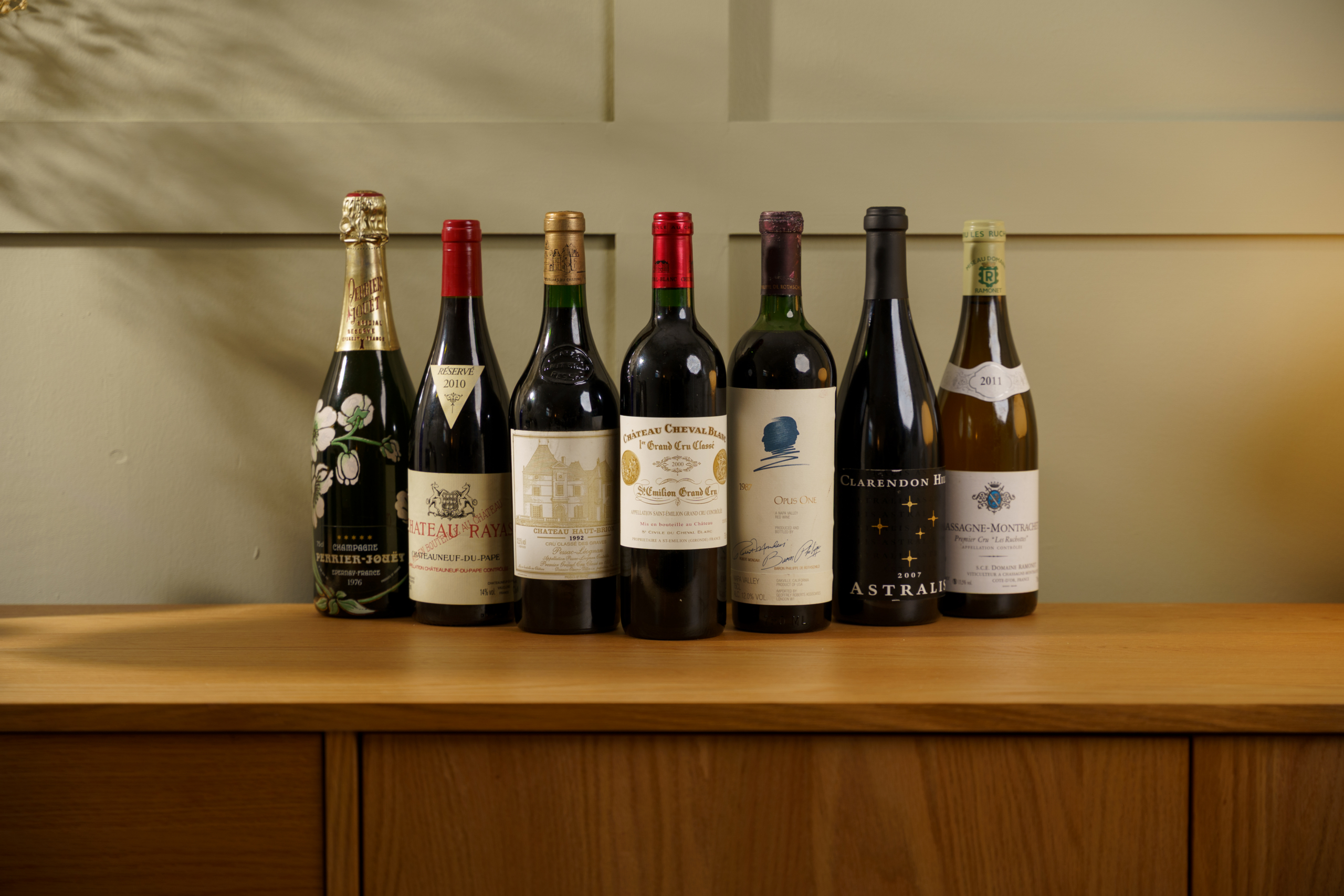


Wine auctions – how they work and why collectors use them

The way people buy and collect fine wine has evolved significantly in recent years. While the secondary market has long played an important role in the wine ecosystem, the rise of online auction platforms has transformed how collectors engage with it. What was once largely the domain of merchants, brokers and established collectors is now open to a far broader audience. Today, buyers at all levels can explore, research and acquire wines from around the world with a level of ease and visibility that simply wasn’t possible a decade ago.

We spoke to Wine Auctioneer, a leading online wine auction platform with offices in the UK (Perth and London) and the EU (Netherlands), to find out more about how online wine auctions work.

WineEuLaunch_028

What do online auctions have to offer?

For those new to wine auctions, the process can seem unfamiliar at first. There is often a perception that auctions are reserved for seasoned collectors or those seeking only the rarest and most expensive bottles. In reality, today’s online wine auctions are highly accessible and varied, offering opportunities for both new buyers and experienced enthusiasts alike.

Why buy wine at auction?

One of the main advantages of buying wine at online auctions is access. Auctions frequently include bottles that are no longer available through traditional retail channels, whether due to age, limited production or high demand.  The growth of online platforms has made auctions more accessible globally, removing many of the barriers that previously limited participation.

Another key aspect is the level of control buyers have over what they spend. Rather than fixed pricing, auctions allow bidders to determine the value of a wine for themselves. This can offer opportunities to buy competitively and gauge where interest and demand is currently sitting in the market.

Auctions can also provide a useful insight into the wider market as many platforms publish past results and pricing data to track performance and more informed purchasing decisions over time.

For many, the appeal lies in the experience itself. Following a lot, placing bids and waiting to see if you have won a sought-after bottle can add a real sense of fun and anticipation to building a collection.

How does an online wine auction work?

Although the idea of an auction may seem complex, the process is relatively straightforward.

Participation begins with registration, which provides access to upcoming auctions and often includes a database of previously sold wines, including realised prices and historical performance. Auction frequency varies by platform, with some houses running less regularly than others. Wine Auctioneer, however, offers a consistent monthly auction, each running for a set period of around ten days.

Once an auction is live, buyers can browse the catalogue and place bids on lots of interest. Wine Auctioneer offers lots for sale from both its UK and EU offices, making it easy for buyers to participate internationally. Each lot is supported by detailed descriptions, condition reports and imagery, helping buyers make informed decisions with confidence.

Alongside individual bids, the platform also offers a maximum bid function, allowing users to enter the highest amount they are willing to pay. The system then automatically increases bids in set increments, up to that limit, in response to competing offers.

WineEuLaunch_048

 Smart Bidding: Practical tips

Use search tools to your advantage

Most platforms provide filters that allow users to browse by region, grape variety, producer, or price, making it easier to narrow down options and discover interesting lots.

Keep track of potential purchases

Watchlists are a useful way to monitor multiple lots at once. By saving favourites, bidders can quickly check progress and compare current prices as the auction unfolds.

Review lot details carefully

Each lot is accompanied by descriptions and images outlining condition and key characteristics. As items are sold as seen, taking the time to review this information is essential before placing a bid.

Understand how auctions close

Online wine auctions typically use an extended closing system.  If a bid is placed near the end of a lot, the closing time is extended by a short interval, allowing further bids to be made. As a result, final bidding often continues beyond the initial closing time.

After the auction

Once the auction concludes, successful bidders are contacted with details on how to complete their purchase. Buyers can typically choose between collection, delivery or professional storage services offered by the auction house

WineEuLaunch_043

Online wine auctions offer a practical and engaging way to develop a collection over time. Founded in 2017, Wine Auctioneer is a leading online auction platform connecting collectors and wine enthusiasts worldwide with rare, fine and collectible wines. They host monthly online auctions featuring an exceptional mix of iconic wines, from First Growth Bordeaux and celebrated Burgundy to highly allocated bottles and passion projects.

For those looking to explore online wine auctions for themselves, Wine Auctioneer is offering Spiral customers complimentary registration. By using the code SPIRAL26 when signing up, new users can gain access to upcoming auctions and the full archive of past sales and pricing data.

Contact details for Wine Auctioneer:

www.wineauctioneer.com

info@wineauctioneer.com

Get in touch

Office

Spiral Cellars Ltd,
11 Hawkins Drive,
Cheslyn Hay,
Cannock,
WS11 0XT.

Telephone

020 3815 3329